 English
Blog


2026-08-22 16:30:01
Choosing Protective Gear for repetitive kneeling, bending, or impact-prone work comes down to matching the padding material and closure system to the specific joint and task, then verifying any performance claim separately rather than accepting a stacked set of numbers at face value. Knee, elbow, and full-body strain protection each solve a different problem, so the right buying checklist depends on which one you're sourcing.
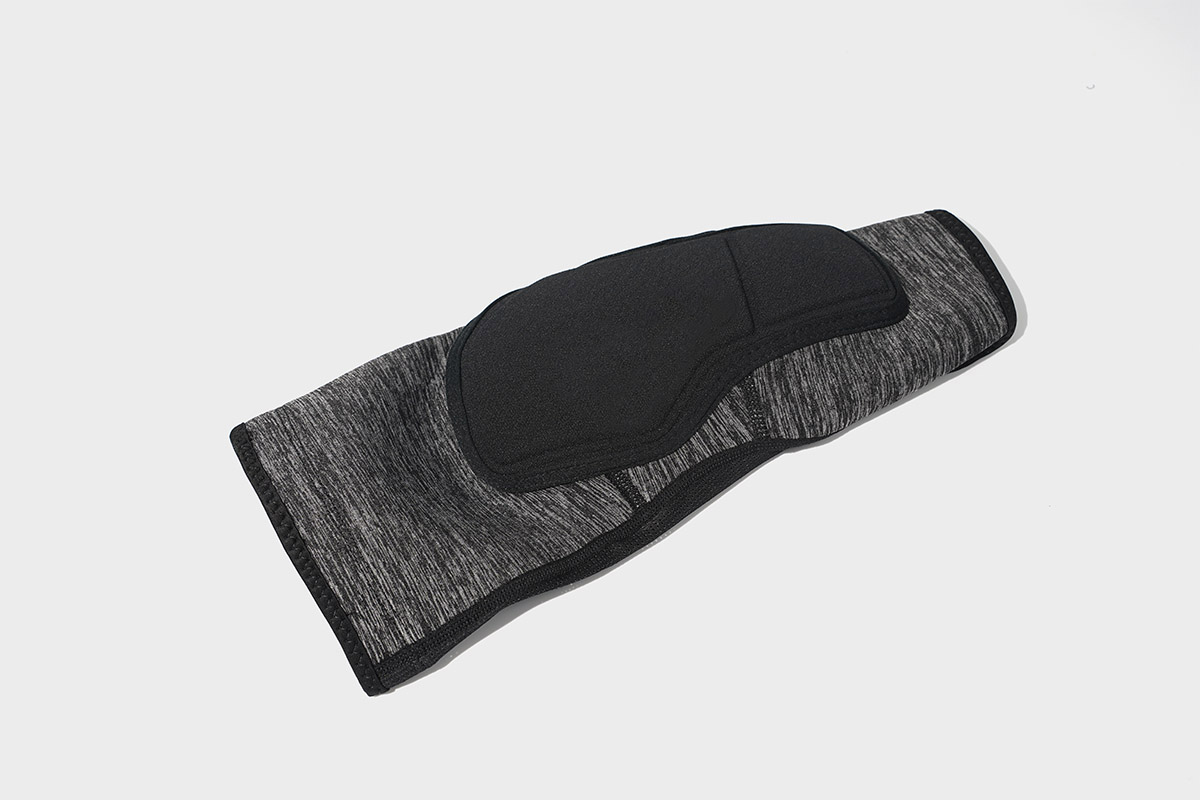
Knee protection splits into two real categories depending on use case. For duty, tactical, or hard-surface work, see our guide on choosing hard shell tactical knee pads versus soft cycling knee protectors, which covers when a rigid shell is worth it and when a lighter foam pad is the better fit.
Elbow pads in this category are commonly built from reinforced nylon, EVA foam, and breathable fabric, with a hook-and-loop closure offering roughly 5-7 cm of adjustability and a lightweight build in the 80-150 gram range per pad. This construction is used across construction, industrial work, tactical operations, and impact sports like skiing, skateboarding, and cycling. Since one elbow pad design is being marketed across such a wide range of use cases, confirm the specific padding thickness and closure fit for your actual application rather than assuming the same pad performs identically for a construction worker and a skateboarder.
Soft Wearable Exosuits are an emerging category aimed at reducing strain during repetitive bending, lifting, or kneeling tasks, positioned as workplace personal protective equipment. Real technical specifications for this category — support mechanism, weight capacity, certifications — aren't published on the product page, so treat this as a category to discuss directly with your supplier rather than one to market on published specs that don't yet exist.
Protective gear listings in this category sometimes cite specific test standards alongside precise performance numbers — a stated percentage of kinetic energy dissipation at a specific impact velocity, referenced to an ASTM standard, for example. Treat these the same way you'd treat any safety claim: ask for the actual third-party test report before using the number in your own marketing. A specific-sounding figure tied to a real standard name is not the same thing as a verified test result, and republishing an unverified safety claim carries more risk for protective gear than for most other product categories.
Which joint or task are you protecting, and does that call for rigid shell or soft foam construction?
What's the exact material, weight, and adjustability range for the specific pad you're ordering?
Can the supplier provide real test documentation for any ASTM or impact-resistance figures cited?
For exoskeleton or emerging categories, what specifications and certifications actually exist today versus what's still in development?
What's their MOQ and customization support for your private label order?
If you know your application and target order volume, send them directly for a quote.
Elbow pads in this category are commonly made from reinforced nylon, EVA foam, and breathable fabric, with a hook-and-loop closure for adjustable fit. Confirm the exact padding thickness for your specific application.
It depends on the environment. Hard shell pads suit sustained kneeling on hard or debris-covered surfaces, while soft foam pads suit active sports needing flexibility and range of motion.
Only with an actual third-party test report behind the number. A specific figure referencing a real standard name isn't proof on its own — ask your supplier for the documentation before repeating the claim.

Aplexus Industrial Co.,Ltd Is a trusted provider of semi-finished accessories and personal protective equipment (PPE).

Business wechat
Copyright © 2026 Aplexus Industrial Co.,Ltd All rights reserved.


