 English
Blog


2025-12-04 17:26:06
Automotive safety systems are built around one critical principle:energy absorption.Among all protective components,the Seat Belt remains the most effective device for reducing fatalities and injuries in vehicle collisions.Because of this,regulatory bodies worldwide enforce strict requirements on seat belt tensile strength to ensure that seat belts can withstand extreme force during an accident.Understanding the minimum tensile strength required for automotive seat belts is essential not only for manufacturers,but also for vehicle brands,distributors,and safety-equipment buyers who are looking for compliant and high-performance products.
In the automotive industry,the tensile strength of seat belts is determined according to global standards such as FMVSS 209(United States),ECE R16(Europe),CCC(China),and other national regulations.While testing procedures vary slightly,the core requirement remains the same:a seat belt must have enough strength to restrain the human body during rapid deceleration without breaking,tearing,or losing structural integrity.This requirement directly relates to the tensile strength of seat belts,which is the maximum force the webbing can endure before failure.
For passenger vehicles,most standards specify that seat belt webbing should have a minimum tensile strength of 22 kN(approximately 5000 lbf)for the shoulder and lap belts.This value represents the force a belt must withstand during a seat belt strength test before it is approved for commercial use.However,many manufacturers produce webbing that exceeds this requirement,with tensile strength ratings between 28–32 kN to provide an additional safety margin.This allows the belt to maintain reliability even after long-term use,UV exposure,humidity,or abrasion.
The reason the minimum tensile strength is set so high is based on crash-test data.During a high-speed collision,the load on the seat belt can surge dramatically as the body moves forward with its full momentum.Without sufficient seat belt tensile strength,the webbing may rupture,causing the occupant to collide with the steering wheel,dashboard,or windshield.In such cases,even a crash at moderate speed could become fatal.Therefore,certification bodies established stringent tensile thresholds to ensure the belt’s ability to restrain a wide range of body weights and sizes.
In addition to passenger vehicles,different categories of automobiles require different tensile minimums.Heavy-duty vehicles such as trucks,special-purpose vehicles,mining equipment,and off-road machinery often require higher tensile strength,typically 30–35 kN,due to greater vehicle mass and higher occupational risk.Racing vehicles and performance cars also use reinforced webbing with enhanced tensile properties,ensuring maximum energy absorption during high-g collisions.
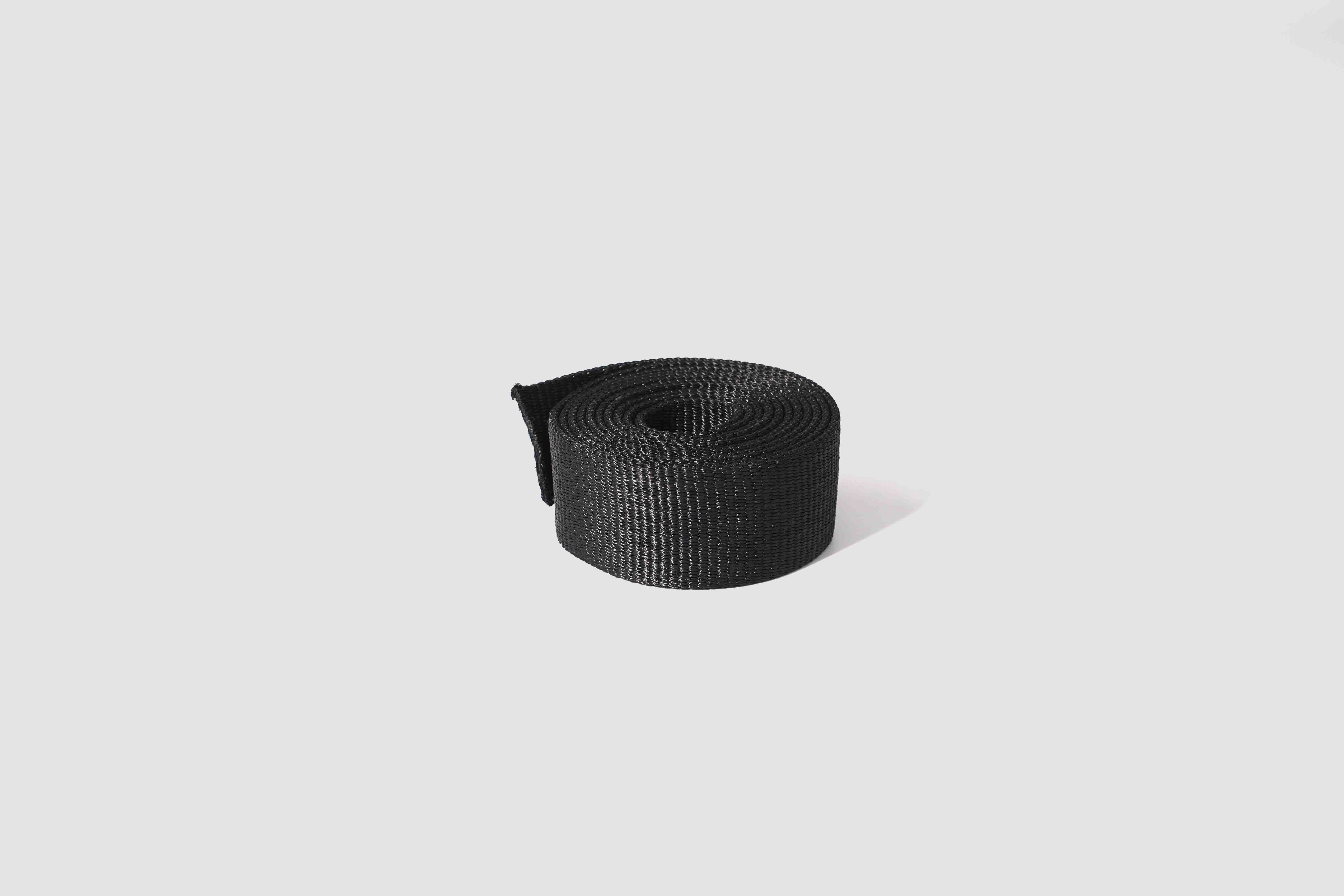
Another important point is that tensile strength must remain consistent throughout the belt’s lifespan.A new belt may pass a seat belt strength test,but environmental exposure can degrade its performance.UV rays,chemical substances,salt spray,and continuous friction from the seat structure can weaken the fibers.As a result,premium seat belt manufacturers use solution-dyed polyester yarns with high abrasion resistance and UV stability to maintain the original tensile strength of seat belts even after years of daily use.
Testing is performed using specialized tensile machines that stretch the webbing at a controlled speed until rupture.The failure point must exceed the minimum required force set by the relevant standard.Aside from the raw webbing test,complete seat belt assemblies—including buckles,adjusters,stitching,and retractors—must also pass dynamic crash simulations.These tests validate whether the real-world performance matches laboratory tensile data.
For automotive brands or importers,ensuring compliance requires verifying the supplier’s certifications,detailed tensile reports,and consistency of production batches.A reliable manufacturer should not only meet the minimum tensile strength requirements but also provide material traceability,production-lot testing,and third-party laboratory reports.Buyers should also ensure that the webbing width,thickness,weaving pattern,and yarn specifications align with their vehicle category and intended application.
In summary,the minimum tensile strength required for automotive seat belts is defined by global safety standards and typically ranges from 22 kN to over 30 kN,depending on the vehicle type.This value ensures that the belt remains intact during extreme loads,protecting the occupant from secondary impact.The concept of seat belt tensile strength is therefore fundamental to automotive safety,and understanding these requirements helps manufacturers and buyers choose the right webbing with full compliance and optimal performance.

Dongguan City Wanxinlong Technology Co., Ltd. Is a trusted provider of semi-finished accessories and personal protective equipment (PPE).

Business wechat
Copyright © 2026 Dongguan City Wanxinlong Technology Co., Ltd. All rights reserved.


