 English
Blog


2026-01-21 10:21:11
For marine, outdoor, and recreational activities, understanding whether your rope floats is crucial. Many people ask: does nylon rope float in water? Knowing the buoyancy characteristics of rope can help you select the best material for boating, fishing, camping, or rescue applications. In this article, we discuss the floating properties of nylon rope and what factors affect its performance in water.
Nylon rope is widely used for marine and outdoor purposes due to its excellent strength, durability, and resistance to abrasion. However, unlike polypropylene rope, which is known for its buoyancy, nylon rope is denser than water. This means that standard nylon rope will sink rather than float. For applications where floating rope is necessary, this property is important to consider to prevent complications or safety hazards.
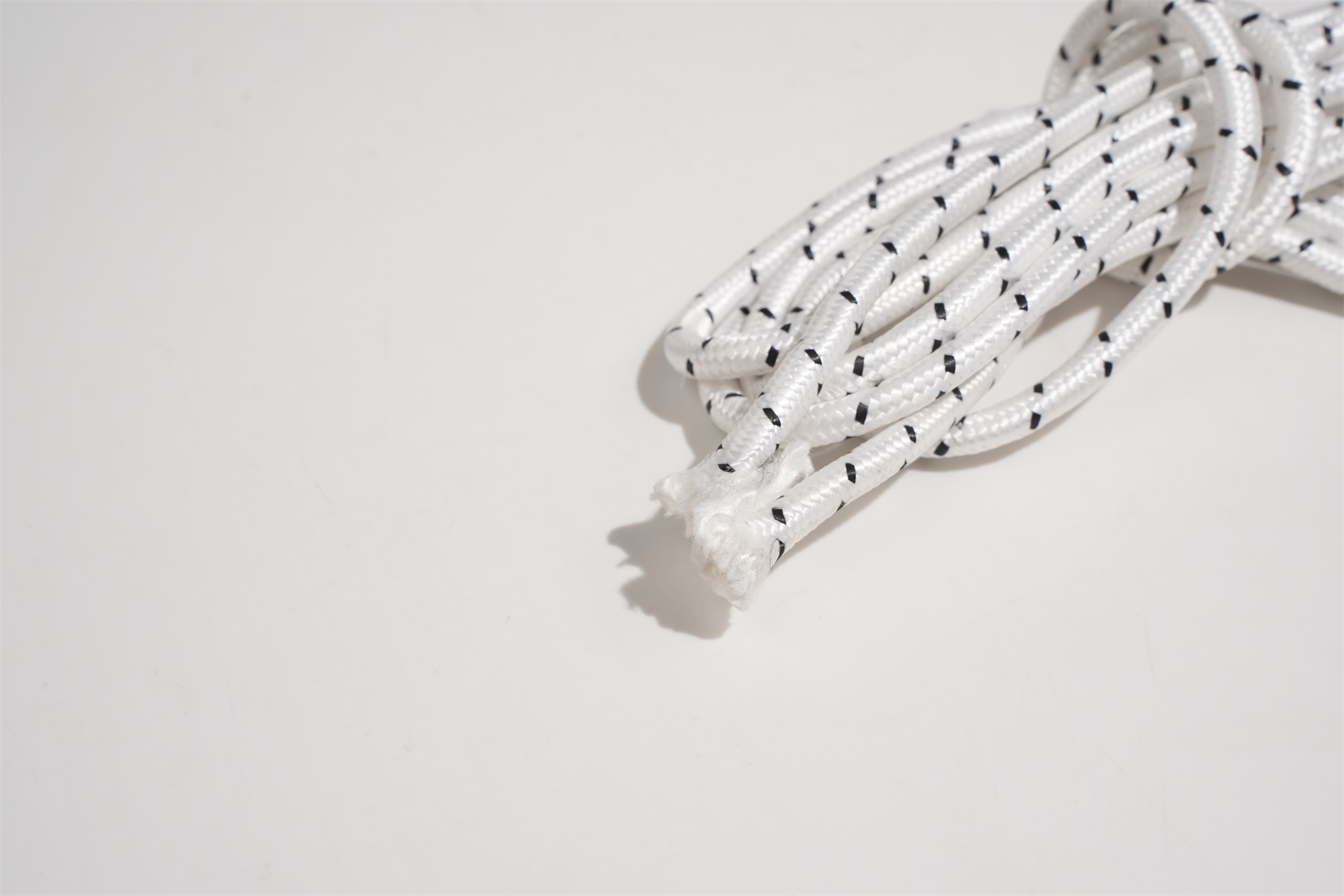
Despite sinking in water, nylon rope offers several advantages in wet environments. Its fibers are highly resistant to rot, mildew, and UV degradation, making it suitable for long-term use in marine and outdoor settings. Nylon rope also maintains its strength when wet, unlike some natural fiber Ropes that lose significant tensile strength. These properties make nylon a preferred choice for anchor lines, mooring, towing, and climbing in wet conditions.
Some users may wonder if there are ways to make nylon rope float. While standard nylon is heavier than water, certain designs incorporate foam cores or specialized coatings to enhance buoyancy. These hybrid ropes combine the strength and elasticity of nylon with flotation characteristics, making them ideal for water rescue operations or floating dock lines. However, for most conventional nylon rope products, sinking is the expected behavior.
Another consideration for using nylon rope in water is its elasticity. When wet, nylon rope can absorb shocks and handle dynamic loads efficiently, which is particularly useful for mooring boats in choppy waters or securing loads that may shift. Its stretching capability also reduces the risk of sudden snapping under load, a key safety feature for marine applications.
Proper maintenance of nylon rope in marine environments ensures longevity and performance. Rinse the rope with fresh water after exposure to saltwater, avoid prolonged UV exposure, and store it in a dry, ventilated area. Even though nylon sinks, these care practices prevent fiber degradation and maintain the rope’s overall strength and elasticity.
In summary, nylon rope does not float in water; it sinks due to its density. However, its resistance to abrasion, stretch under load, and durability in wet conditions make it a top choice for marine and outdoor applications. When selecting rope for water-related use, it is important to understand these characteristics. Whether you are anchoring a boat, setting up outdoor equipment, or planning water-based recreational activities, nylon rope remains a versatile and reliable option.

Dongguan City Wanxinlong Technology Co., Ltd. Is a trusted provider of semi-finished accessories and personal protective equipment (PPE).

Business wechat
Copyright © 2026 Dongguan City Wanxinlong Technology Co., Ltd. All rights reserved.


