 English
Blog


2026-04-29 10:05:09
Protective Gear is designed to reduce injury risks in a wide range of environments, from industrial manufacturing to sports and tactical operations. For buyers and sourcing managers, understanding what materials are used in Protective Gear is not just a technical detail—it directly affects product performance, durability, comfort, and overall cost efficiency.
In most cases, Protective Gear is not made from a single material but a combination of layers, each serving a different purpose. Soft materials are used to absorb impact, while harder components provide structural protection. This layered design is what allows products like Lightweight Elbow Pads or a tactical knee guard to deliver both flexibility and strong protection at the same time.
Foam materials are among the most commonly used components. EVA foam and polyurethane foam are widely preferred because they are lightweight, flexible, and capable of absorbing shocks effectively. These materials are often used in lightweight elbow pads, where users need protection without restricting movement. Foam also helps reduce fatigue during long working hours, which is especially important in repetitive tasks.
However, foam alone is not enough for high-impact environments. That is where hard shell materials come into play. Plastics such as polyethylene and polypropylene are frequently used to create a rigid outer layer. In products like a Tactical Knee Guard, this outer shell protects against sharp objects, heavy pressure, and sudden impacts. Compared to soft materials, hard shells offer significantly higher durability, making them suitable for construction, military, and industrial use.
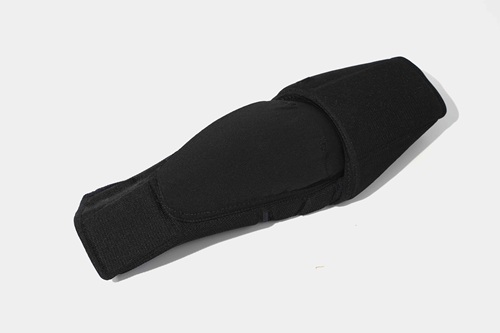
Another important component in Protective Gear is fabric. Materials like polyester, nylon, and spandex are used to hold the structure together and improve wearability. A well-designed Black Elbow Pad often combines durable outer fabric with breathable inner lining, ensuring that users can wear it comfortably for extended periods. Breathability is particularly important in hot or physically demanding environments, where excessive heat and moisture can affect both comfort and safety.
Rubber and silicone are also frequently integrated into Protective Gear, especially in areas where grip and stability are required. These materials are used in straps, inner linings, or anti-slip sections to ensure that the gear stays in place during movement. This is particularly useful in applications where precise positioning matters, such as mechanical work or tactical operations.
For higher-end or specialized Protective Gear, composite materials such as carbon fiber may be used. These materials offer an excellent strength-to-weight ratio, providing strong protection without significantly increasing weight. Although more expensive, they are increasingly used in premium Tactical Knee Guard products where both performance and durability are critical.
Gel inserts are another feature found in more advanced designs. By adding a gel layer inside Lightweight Elbow Pads or knee protection products, manufacturers can improve shock absorption and reduce pressure on joints. This makes a noticeable difference for users who need to wear Protective Gear for long periods, such as warehouse workers or technicians.
From a buyer’s perspective, the choice of materials should always be aligned with the intended application. A simple Black Elbow Pad made with foam and fabric may be sufficient for light-duty work, while heavy-duty environments require reinforced structures with hard shells and multi-layer protection. Balancing cost, durability, and comfort is key to making the right decision.
Material selection also affects product lifespan. Lower-quality materials may reduce upfront costs but often lead to faster wear and replacement, increasing long-term expenses. On the other hand, investing in well-designed Protective Gear with high-quality materials can significantly improve reliability and user satisfaction.
In real sourcing scenarios, many buyers now prefer customized solutions that combine multiple materials based on specific needs. For example, a Tactical Knee Guard may include a hard outer shell, foam padding, breathable fabric, and anti-slip straps, all working together to deliver optimal performance.
Understanding these material differences allows buyers to make more informed decisions and communicate more effectively with suppliers. Whether sourcing Lightweight Elbow Pads for comfort, a Black Elbow Pad for daily use, or a heavy-duty Tactical Knee Guard for demanding environments, the right material combination will always be the foundation of reliable Protective Gear.
For businesses looking to improve product quality or develop customized solutions, working with an experienced manufacturer can help optimize material selection and ensure consistent performance across different applications.

Aplexus Industrial Co.,Ltd Is a trusted provider of semi-finished accessories and personal protective equipment (PPE).

Business wechat
Copyright © 2026 Aplexus Industrial Co.,Ltd All rights reserved.


