 English
Blog


2026-08-14 17:06:56
Choosing the right knee guard for cycling comes down to matching three things to how you ride: the outer shell material, the padding type, and the riding scenario. Road cyclists need lightweight, low-profile protection that won't interfere with pedaling cadence, while mountain bikers and BMX riders need thicker impact-absorbing padding built for hard falls. This guide breaks down what actually matters when selecting cycling knee protection, so you don't end up with a pad that's either too bulky to wear or too thin to matter in a real fall.
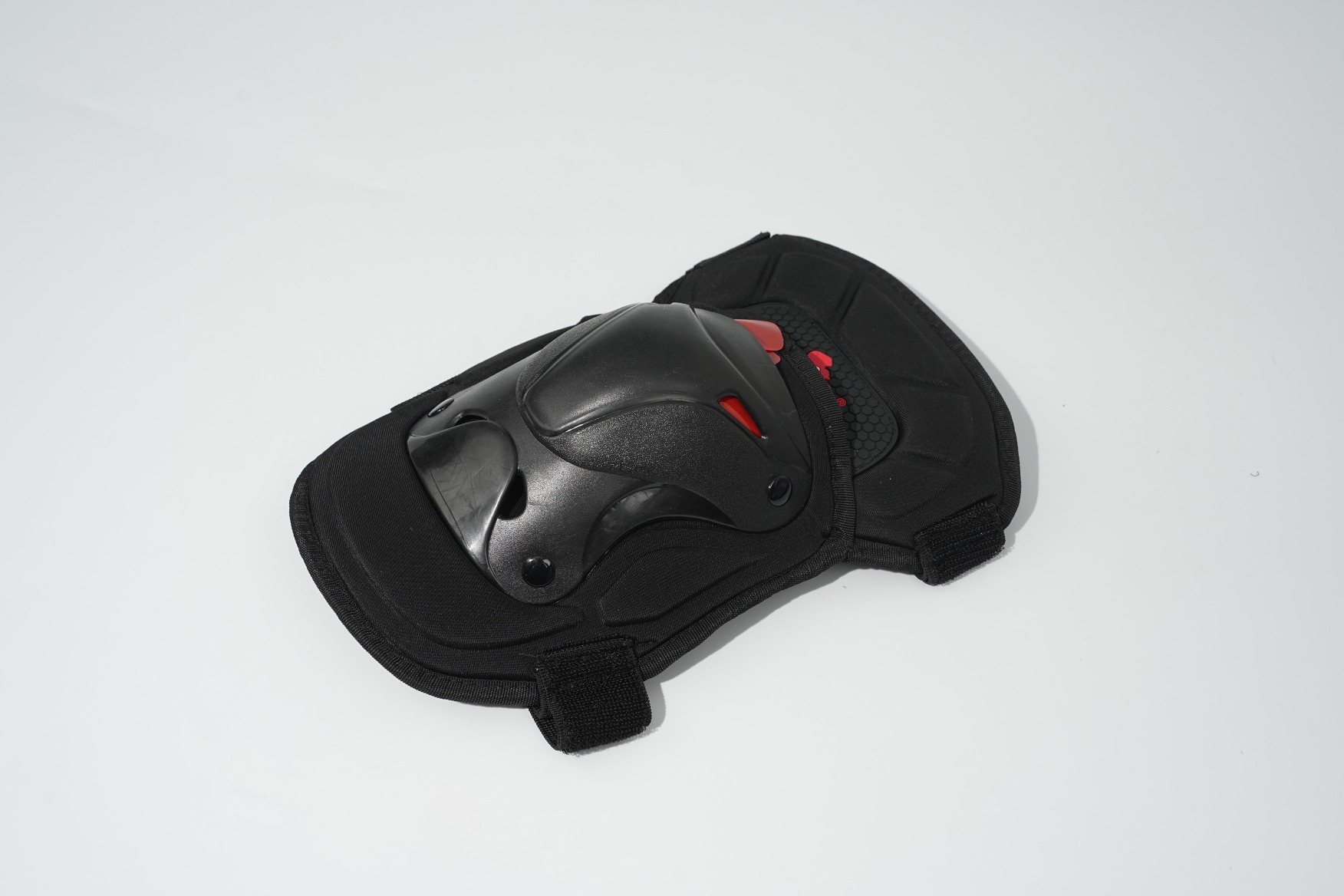
Bicycle Knee Protectors, also called cycling knee pads or bike knee guards, are Protective Gear worn around the knee to absorb impact and reduce injury risk during falls, crashes, or repeated stress on long rides. They combine a durable outer shell with shock-absorbing padding and a comfortable inner lining, secured with adjustable straps that keep the pad in place during active movement.
The outer layer determines how well the pad resists scrapes and abrasion in a slide or fall. High-impact ABS shells offer the most rigid protection and are common on mountain biking and BMX pads, while nylon shells are lighter and more flexible, better suited to road cycling and touring where full rigidity isn't necessary.
High-density EVA foam is the standard for shock absorption, compressing on impact to spread force away from the kneecap. Gel padding offers a softer, more contoured fit and can feel more comfortable over long rides, though EVA foam generally holds up better under repeated hard impacts.
A soft polyester or mesh inner lining keeps the pad comfortable against skin and helps ventilate heat during long rides. This matters more than riders expect — a pad that traps heat gets skipped on hot days, which defeats the purpose of owning it.
Adjustable, non-slip straps or elastic bands are essential — a pad that slides down during a ride offers no protection when you actually need it. Look for pads available in multiple sizes to fit both adult and youth riders comfortably.
Sourcing knee pads for your cycling or outdoor gear line? Send us your target riding scenario and order volume, and we'll recommend a material and construction within 24 hours.
Road cycling & touring: lightweight, low-profile pads that protect on long rides over uneven terrain without restricting pedaling motion
Mountain biking & BMX: thicker ABS-shell pads built to absorb shock from jumps, trail obstacles, and downhill impacts
Urban commuting: compact, comfortable pads focused on protecting against unexpected falls in traffic or on uneven city streets
Extreme sports crossover: the same pad construction used for cycling often works for skateboarding, rollerblading, and scooter riding
Knee pads should fit snugly without cutting off circulation or sliding during movement — check that adjustable straps have enough range to fit comfortably whether you're outfitting adults or younger riders. To extend the life of the padding and shell, hand wash with mild soap, rinse thoroughly, and air dry; machine washing can break down foam padding and weaken strap elastic over time.
Looking to add cycling knee protectors to your product line? Tell us your target market and order quantity, and we'll put together bulk pricing and OEM/ODM options.
They're not required for casual road riding, but they meaningfully reduce injury risk for mountain biking, BMX, downhill riding, or any style where falls are more likely. Many urban commuters also wear lightweight pads simply as a precaution against unpredictable traffic conditions.
Mountain biking pads generally use thicker ABS shells and denser foam to handle high-impact falls on trails and jumps. Road biking pads prioritize a lower profile and lighter weight, since the priority is comfort over long distances rather than absorbing hard impacts.
Yes. The same shell-and-padding construction used in cycling knee protectors works well for skateboarding, rollerblading, and scooter riding, since these activities share similar impact and fall patterns.
Hand wash with mild soap, rinse thoroughly, and air dry. Avoid machine washing, which can break down foam padding and degrade the elastic in the straps over time.

Aplexus Industrial Co.,Ltd Is a trusted provider of semi-finished accessories and personal protective equipment (PPE).

Business wechat
Copyright © 2026 Aplexus Industrial Co.,Ltd All rights reserved.


