 English
Blog


2026-08-15 10:22:31
A good harness waist pad comes down to three things: the padding material, the outer shell durability, and how well it matches your specific use case. Industrial Safety Harness workers need pads that stay comfortable through an 8-hour shift, while climbers and outdoor workers need pads that hold up against moisture, abrasion, and repeated flexing. This guide breaks down what actually matters when choosing harness padding, so you're not stuck with a pad that looks fine on a spec sheet but wears out — or wears you down — in the field.
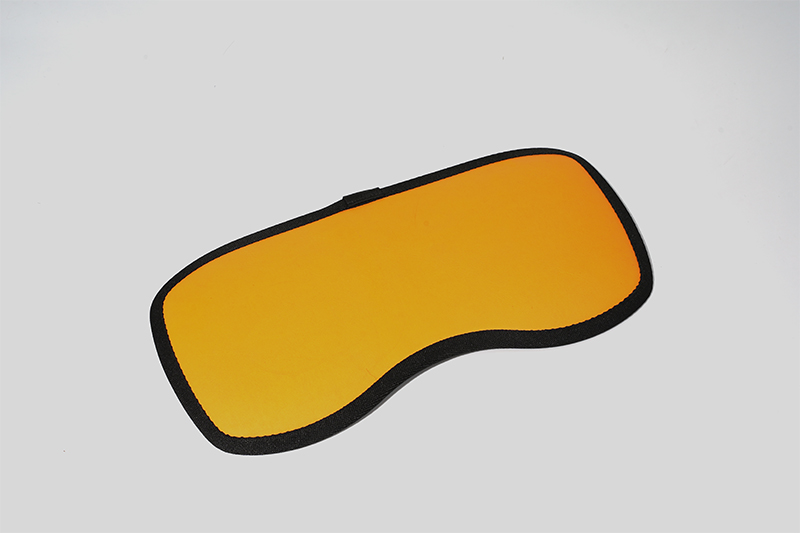
Harness Waist Pads are cushioning components that attach to safety Harnesses, utility belts, and tactical gear to reduce pressure and friction around the waist during prolonged wear. By distributing load evenly across a wider surface area, they reduce fatigue and improve the overall ergonomics of a harness system — a detail that matters more the longer someone wears the gear.
High-density EVA foam and PU foam are the two standard core materials for harness padding. Both absorb shock and provide long-lasting support, but they compress and recover differently — EVA foam tends to hold its shape well under repeated compression, which matters for daily industrial use, while PU foam often offers a slightly softer initial feel.
The outer layer determines how well the pad resists abrasion and wear over time. Durable nylon or PU leather outer layers are the standard choice, holding up against friction from harness straps and repeated buckling without cracking or fraying.
For pads worn through long shifts or extended outdoor use, mesh layers built into the padding improve airflow and reduce sweat buildup — a small detail that has an outsized effect on whether someone actually wears their harness padding correctly all day, or leaves it loose to stay cool.
Padding should be precision-cut to match standard harness dimensions so it integrates cleanly without shifting or bunching. Reinforced industrial stitching matters here too — a pad that comes apart at the seams under heavy use isn't just an inconvenience, it's a comfort feature that's failed exactly when it's needed most.
Sourcing harness padding for your safety or outdoor gear line? Send us your target application and order volume, and we'll recommend a material and construction within 24 hours.
Industrial safety workers: prioritize breathable mesh-lined padding that stays comfortable through full-shift wear without causing chafing or pressure points
Climbing and mountaineering: look for pads built to handle repeated flexing and outdoor exposure — wear-resistant, water-resistant materials matter most here, since gear is exposed to harsh conditions rather than a controlled worksite
Tactical and outdoor gear: durable outer shells that resist abrasion from equipment and rough handling take priority over maximum plushness
Harness padding built for outdoor environments should hold up to wear, moisture, and repeated use without breaking down — this is worth confirming directly with a manufacturer rather than assuming from a product photo, since indoor-rated padding and outdoor-rated padding often look identical on the surface.
Need padding rated for a specific outdoor or industrial environment? Tell us your conditions and use case, and we'll match you with the right material combination.
Match the core padding material and outer shell to your use case: EVA or PU foam with a nylon or PU leather shell for general comfort and durability, breathable mesh lining for long shifts, and wear-resistant, water-resistant materials for outdoor or climbing applications.
Most harness waist pads are precision-cut to match standard harness dimensions and integrate directly with existing straps, rather than functioning as a separate adjustable component. Fit is typically determined by how the pad is positioned and secured along the harness webbing itself.
Yes, provided the materials are selected for it. Padding built with wear-resistant, water-resistant materials holds up in harsh outdoor conditions, but this should be confirmed with the manufacturer rather than assumed, since not all padding is rated for extended outdoor exposure.
Both provide shock absorption and cushioning, but EVA foam generally holds its shape better under repeated daily compression, making it a common choice for industrial use, while PU foam can offer a softer initial feel. The better choice depends on usage frequency and personal comfort preference.

Aplexus Industrial Co.,Ltd Is a trusted provider of semi-finished accessories and personal protective equipment (PPE).

Business wechat
Copyright © 2026 Aplexus Industrial Co.,Ltd All rights reserved.


