 English
Blog


2026-08-22 16:03:20
Choosing between hard shell Tactical Knee Pads and soft cycling knee protectors comes down to your actual impact environment — kneeling on concrete, gravel, or debris in a duty or work setting calls for a rigid shell and structured padding, while recreational cycling and mountain biking impacts call for a lighter, more flexible foam pad built for range of motion. Picking the wrong category isn't just a comfort issue: a soft foam pad won't hold up to sustained kneeling on hard surfaces, and a rigid tactical shell is overkill and less comfortable for a cycling application.
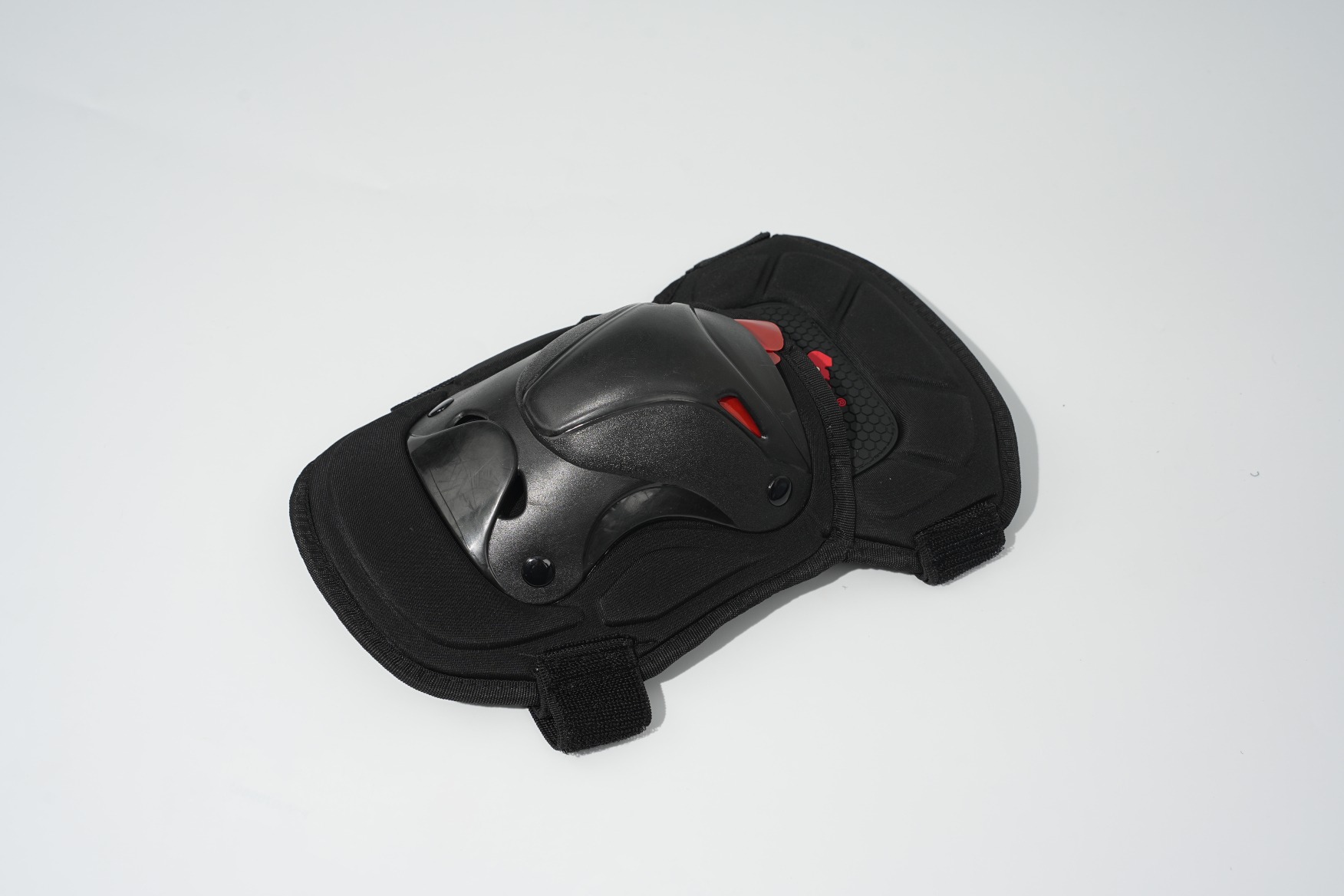
Hard shell tactical knee pads are built around a rigid polycarbonate shell over dual-density foam padding, with adjustable, non-slip straps designed for quick donning and secure fit during extended wear. This category is commonly used in military, tactical operations, law enforcement, construction, and general industrial work — settings where users kneel repeatedly on hard, uneven, or debris-covered surfaces. If your buyers work in these conditions, the rigid shell is the feature that actually matters, since it's what distributes impact and resists puncture from sharp debris that a foam-only pad would absorb directly into the knee.
For cycling and mountain biking applications, soft cycling knee protectors use a lighter build — a high-impact ABS or nylon outer layer, high-density EVA foam or gel padding for shock absorption, and a soft polyester or mesh inner lining for ventilation and comfort. This construction prioritizes range of motion and breathability for active pedaling over the rigid puncture resistance a tactical shell provides, which is the right tradeoff for a fall-and-impact sport rather than sustained kneeling on hard ground.
The core decision is whether your end users need structured impact and puncture protection for repeated hard-surface contact, or flexible shock absorption for an active sport with a wider range of motion. Buyers sourcing for a work, military, or tactical end market should default to the hard shell category; buyers sourcing for a cycling, mountain biking, or general outdoor sport market should default to the soft foam category. Mixing the two up on a product listing — marketing a soft foam pad for a construction end use, for example — sets up a mismatch between what the product can actually do and what the buyer expects from it.
Protective Gear in this category is sometimes marketed with specific military standard references, impact-force ratings, or ballistic/shrapnel protection claims. These are serious claims that require actual third-party test certificates or documentation to back them up — a rigid shell and thick foam alone don't automatically mean a product meets a specific military testing standard, and conflating an environmental durability standard with ballistic protection is a common but meaningful error. Before publishing any such claim on a product listing, confirm the underlying test documentation exists and actually supports the specific wording used, rather than carrying forward a supplier's marketing description as-is.
Does your end market need rigid shell puncture protection, or flexible foam shock absorption?
Can the supplier provide actual test documentation for any certification or standard referenced, rather than a marketing description alone?
What strap and closure system does the pad use, and is it rated for quick donning in your use case?
What sizing range is available, and does it fit your target end user (adult, youth, or both)?
Can they support your customization and order volume requirements for private label?
If you know your end use case and target order volume, send them directly for a quote.
Tactical knee pads use a rigid shell for puncture resistance during sustained kneeling on hard or debris-covered surfaces, while cycling knee protectors use lighter foam padding for shock absorption during active, high-range-of-motion sport use.
Neither is universally better — it depends on the use case. Hard shell pads suit work, military, and tactical settings with hard-surface impact, while soft foam pads suit cycling and sport settings that need flexibility and range of motion.
Only if backed by actual third-party test documentation. A rigid shell and thick padding alone don't confirm a product meets a specific military or ballistic testing standard — ask your supplier for the certificate before repeating the claim to your own customers.

Aplexus Industrial Co.,Ltd Is a trusted provider of semi-finished accessories and personal protective equipment (PPE).

Business wechat
Copyright © 2026 Aplexus Industrial Co.,Ltd All rights reserved.


