 English
Blog


2026-11-17 00:00:00
A Full Body Harness or fall arrest system should be replaced whenever it has been involved in a fall arrest event, shows damage that could affect its performance, fails an inspection, or reaches the service-life limit specified by its manufacturer. It should also be removed from use when its history is unknown or when exposure to chemicals, heat, abrasion, or other environmental conditions may have weakened its materials.
For construction companies, industrial facilities, safety equipment distributors, and procurement teams, replacement decisions are not simply about equipment age. A harness that appears relatively new may already be unsafe after a single severe incident, while another product may remain serviceable for longer if it has been correctly stored, maintained, and inspected in accordance with its manufacturer's instructions.
Understanding the warning signs and replacement requirements helps businesses reduce equipment risks, manage inventory, and select dependable products from qualified manufacturers.
A full body harness is made from webbing, stitching, metal hardware, adjustment buckles, and other load-bearing components. These parts can deteriorate through regular use, environmental exposure, improper storage, or sudden impact loading.
Unlike ordinary work clothing, fall protection equipment is designed to perform a critical safety function under specific loading conditions. Damage to one important component may compromise the performance of the entire harness.
For example, a harness used repeatedly on a construction site may develop abrasion around the leg straps or shoulder webbing. A product stored near welding operations may have heat damage that is difficult to identify without careful inspection. Even if the harness still looks wearable, damaged fibers or weakened stitching can affect its ability to support a worker during a fall.
OSHA's construction fall protection guidance requires personal fall arrest systems to be inspected before each use. Components with defects or deterioration must be removed from service. This makes inspection and timely replacement essential parts of workplace safety management.
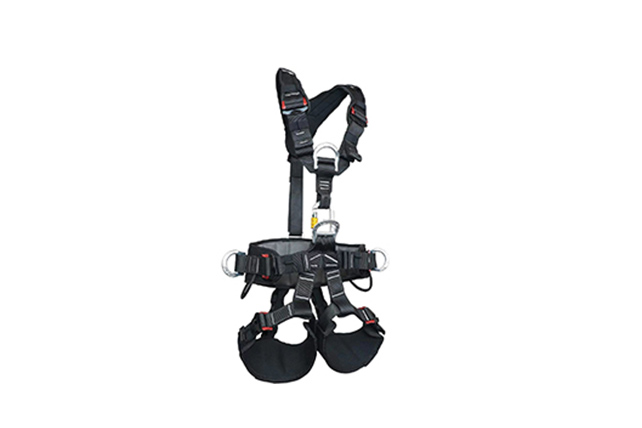
Yes. A harness that has been subjected to fall arrest or impact loading should be removed from service immediately. The equipment must not be returned to use simply because there are no obvious tears or broken components.
During a fall, the harness and its connecting components may experience substantial forces. Webbing can stretch, stitching can be stressed, and hardware may be affected even when the damage is not visible from the outside.
For example, imagine a maintenance worker who slips from an elevated platform and is caught by a full body harness connected to a shock-absorbing lanyard. After the incident, the harness may still appear intact. However, the equipment has experienced a fall arrest event and must be isolated from normal inventory. The lanyard and other affected components must also be assessed according to their respective manufacturer instructions.
OSHA regulations require equipment subjected to impact loading to be removed from service and not used again until it has been inspected by a competent person and determined to be undamaged and suitable for reuse. Some manufacturers impose stricter instructions requiring immediate retirement or destruction after a fall. The specific product instructions must therefore be followed.
Regular visual inspection helps identify damage before the equipment is used. Workers should inspect the harness before each use, while a competent person should conduct more detailed inspections at the intervals required by the applicable standards and manufacturer instructions.
Pay particular attention to the following conditions:
Look for cuts, tears, frayed edges, broken fibers, severe abrasion, pulled threads, and unusual stretching. Webbing exposed to sharp edges or repeated friction may lose strength over time. Any damage that exceeds the manufacturer's inspection criteria requires removal from service.
Heat, sparks, welding operations, acids, solvents, and corrosive substances can damage synthetic webbing. Discoloration, hardened fibers, melting, chemical stains, or changes in texture may indicate deterioration. If the exposure history is uncertain, the harness should be isolated until its condition has been evaluated.
Inspect the stitching around D-rings, attachment points, leg straps, chest straps, and other reinforced areas. Broken, pulled, loose, or missing stitches can affect the harness's structural integrity. Do not repair critical load-bearing stitching with ordinary sewing equipment or unauthorized materials.
Check D-rings, buckles, grommets, hooks, and adjustment devices for cracks, distortion, corrosion, sharp edges, and malfunctioning parts. Buckles should engage and release correctly. Connectors should lock reliably and should not show deformation or excessive wear.
Product labels provide important information, including manufacturer identification, model, serial or lot number, date of manufacture, and applicable product information. If critical identification or inspection information is missing or unreadable, the equipment's identity and service history may no longer be verifiable. Follow the manufacturer's requirements before deciding whether it can remain in service.
There is no single replacement interval that applies to every full body harness. The usable service life depends on the manufacturer's instructions, product design, materials, storage conditions, frequency of use, maintenance, and exposure to environmental hazards.
Some manufacturers specify a maximum service life, while others establish retirement criteria based on inspection results and equipment history. A five-year service period is sometimes stated in manufacturer guidance, but it should not be treated as a universal rule for all Harnesses or markets.
For example, a harness used daily in a construction environment may experience more abrasion, dirt, moisture, and mechanical wear than one used occasionally in a controlled industrial facility. A harness stored in direct sunlight or near chemicals may deteriorate faster than equipment kept in a clean, dry, protected storage area.
Buyers should therefore confirm the service-life policy for each model before purchasing. A responsible Full Body Harness Manufacturer should provide clear instructions covering the date of manufacture, first-use records where relevant, inspection requirements, storage, and retirement criteria.
A practical inspection program includes a pre-use check and a more detailed periodic inspection. The worker should examine the harness before every use, checking the webbing, stitching, hardware, labels, and adjustment components. Any suspected defect should be reported before work begins.
A competent person should also perform documented inspections at the intervals required by the applicable regulations, standards, and manufacturer instructions. The inspection frequency may need to increase when equipment is used frequently or exposed to harsh working conditions.
For example, a roofing contractor using harnesses every working day may need a more intensive inspection program than a facility where fall protection equipment is used occasionally. Inspection records should identify the equipment, inspection date, findings, and actions taken.
A useful equipment record can include:
Product model and serial or lot number.
Date of manufacture and date placed into service.
Pre-use and periodic inspection records.
Known fall arrest events or impact exposure.
Cleaning, maintenance, and storage history.
Removal-from-service and replacement dates.
These records help safety managers identify equipment nearing its retirement limit and prevent products with unknown histories from returning to active use.
Repair decisions depend on the component, the type of damage, and the manufacturer's authorized procedures. Some non-structural issues may be addressed through approved maintenance, but damage to load-bearing webbing, stitching, or critical hardware should never be treated as a routine repair.
For example, replacing a damaged buckle with an unapproved component may change the harness's original design and performance. Sewing a torn strap with ordinary thread cannot restore the tested strength of the original construction. Similarly, combining a replacement lanyard with a different energy absorber may create compatibility issues.
OSHA guidance warns that components from different manufacturers are not automatically interchangeable. Any change to a personal fall arrest system should be evaluated by a competent person to confirm that the modified system meets the applicable requirements.
When the manufacturer does not provide an authorized repair procedure, replacing the affected equipment is the safer purchasing and maintenance decision. Products that have been removed from service should be clearly marked and kept separate from usable inventory.
For importers, wholesalers, distributors, and industrial procurement teams, replacement purchasing should be based on product suitability and verified quality rather than price alone. A consistent supply of properly documented equipment helps customers maintain their fall protection programs and reduces the risk of receiving products that do not match their application requirements.
When evaluating a Full Body Harness Factory or Full Body Harness Supplier, consider the following factors:
Material specifications: Request details about webbing materials, hardware, stitching, and product construction.
Quality control: Understand how incoming materials, sewing operations, hardware assembly, and finished products are inspected.
Product compliance: Verify the applicable standards and request model-specific test reports or certification documentation where required.
Traceability: Confirm that products have identifiable model, batch, or serial information and suitable product labels.
Product range: Check available sizes, attachment configurations, adjustment features, and application-specific models.
OEM and bulk supply: Discuss private labeling, packaging, production capacity, lead times, and repeat-order consistency.
A qualified Full Body Safety Harness Manufacturer should be able to explain its material controls, manufacturing process, inspection criteria, and product documentation. A professional Fall Arrest Harness Manufacturer should also provide clear instructions for use, maintenance, inspection, and retirement.
Manufacturers can support distributors and end users by providing clear product labels, user manuals, inspection guidance, and traceable production information. These details make it easier for companies to identify equipment, monitor its service history, and establish consistent replacement procedures.
For example, a distributor supplying construction companies may need several harness models for different working environments. If the manufacturer provides clear product specifications and consistent batch identification, the distributor can organize inventory more effectively and help customers select suitable replacement products.
Before placing a large order, buyers should review samples, verify product documentation, and clarify how the manufacturer handles quality complaints and defective batches. These checks are particularly important when sourcing products under a private label or distributing them across multiple markets.
A full body harness should be replaced when it has been involved in a fall arrest event, shows unacceptable damage, fails inspection, reaches its manufacturer-defined service-life limit, or has an uncertain history that prevents its safety from being verified. Visible appearance alone is not enough to determine whether equipment remains suitable for use.
For B2B buyers, an effective replacement strategy starts with clear product specifications, reliable inspection records, and a supplier that can provide consistent manufacturing quality and traceable documentation. Working with an experienced Full Body Harness Manufacturer or Fall Protection Harness Manufacturer helps distributors and industrial customers maintain a dependable supply of fall protection equipment.
Ultimately, the right replacement decision protects workers, supports workplace safety procedures, and helps businesses avoid relying on equipment whose performance can no longer be trusted.

Aplexus Industrial Co.,Ltd Is a trusted provider of semi-finished accessories and personal protective equipment (PPE).

Business wechat
Copyright © 2026 Aplexus Industrial Co.,Ltd All rights reserved.


