 English
Blog


2026-06-27 15:25:08
When it comes to heavy-duty applications, choosing the right nylon strap is critical for safety, durability, and long-term performance. Industries such as logistics, construction, military gear, and industrial packaging all rely heavily on high-strength strapping materials. Among the most commonly used materials are Nylon Webbing, nylon banding, and reinforced nylon webbing straps.
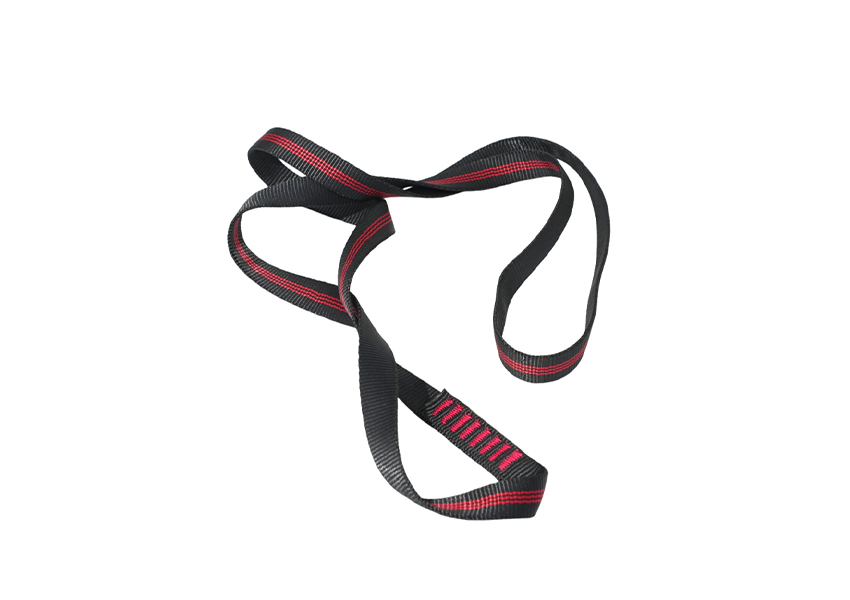
Heavy-duty nylon straps are designed to withstand high tension, abrasion, and environmental stress. Unlike regular fabric straps, industrial-grade nylon materials are engineered with tightly woven fibers that significantly increase load-bearing capacity. This makes them ideal for securing cargo, machinery, and equipment during transport or operation.
The most widely used form is nylon webbing, which is flat, strong, and flexible. It is often preferred because it distributes pressure evenly, reducing the risk of damage to the strapped object. In comparison, nylon banding is typically used for bundling heavier or bulkier materials where rigidity is required.
The performance of a nylon strap depends largely on its construction and material density. High-quality nylon webbing straps are usually made from industrial-grade nylon 6 or nylon 6,6 fibers. These materials offer excellent tensile strength and resistance to wear and tear.
In some applications, manufacturers may combine nylon with reinforced coatings or elastic components to improve durability. For example, hybrid designs may include hook-and-loop systems similar to a velcro watch strap, allowing for adjustable fastening while maintaining strength.
Heavy-duty nylon straps are widely used across multiple industries. In logistics and shipping, they are essential for securing pallets and containers. In construction, they help stabilize tools and materials during transport. Military and outdoor gear also relies heavily on nylon webbing straps due to their resistance to harsh environments.
Another growing application is in automotive and aerospace industries, where lightweight but strong materials are required to secure components without adding unnecessary weight.
The best nylon strap for heavy-duty use typically has the following characteristics:
High tensile strength and load resistance
Excellent abrasion resistance
UV and moisture resistance for outdoor use
Stable weaving structure (tight nylon webbing)
Flexible but non-deformable under pressure
Among all available options, industrial-grade nylon webbing is often considered the most reliable due to its balance of strength and flexibility. Nylon banding is better suited for rigid bundling tasks, while adjustable solutions like velcro-based systems are used in applications requiring frequent adjustment.
The best nylon strap for heavy-duty applications depends on the specific use case. For maximum strength and versatility, nylon webbing remains the top choice. For structured bundling, nylon banding is more appropriate. And for adjustable fastening needs, hybrid solutions similar to a velcro watch strap design may be used.
Understanding material properties and application requirements is key to selecting the right solution for industrial and commercial use.

Aplexus Industrial Co.,Ltd Is a trusted provider of semi-finished accessories and personal protective equipment (PPE).

Business wechat
Copyright © 2026 Aplexus Industrial Co.,Ltd All rights reserved.


