 English
Blog


2026-06-27 15:39:34
In modern packaging and logistics systems, choosing the right strapping material plays a vital role in ensuring product safety during storage and transportation. Among various materials available, Nylon Webbing, nylon banding, and flexible nylon webbing straps are widely used due to their strength, adaptability, and cost efficiency.
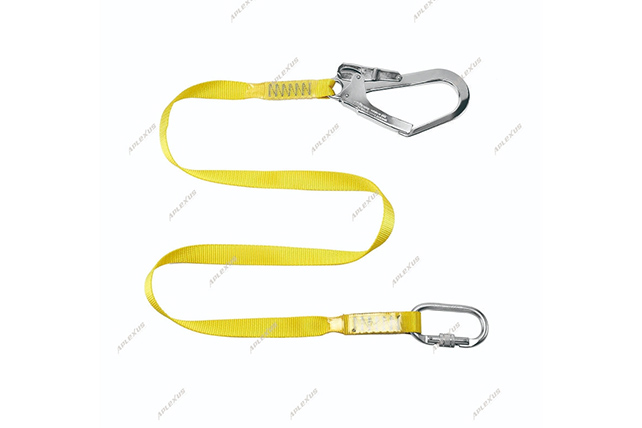
Nylon straps have become a preferred choice in packaging because of their excellent tensile strength and flexibility. Unlike metal or rigid plastic straps, nylon materials can absorb shock and vibration during transport, reducing the risk of product damage.
In addition, nylon webbing is lightweight, easy to handle, and compatible with both manual and automated packaging systems. This makes it highly suitable for high-volume logistics operations.
There are several types of nylon-based strapping materials used in packaging and transport applications:
Nylon Webbing: This is the most common type, known for its flat structure and high strength. It is widely used for securing cartons, pallets, and equipment.
Nylon Banding: This type is slightly more rigid and is often used for bundling heavier items or organizing industrial materials during shipping.
Nylon Webbing Straps: These are reinforced versions designed for repeated use, often equipped with buckles or fastening systems for better control.
Nylon straps are widely used across packaging and transport industries. In warehouse operations, they are used to secure stacked goods and prevent shifting during storage. In shipping, nylon webbing straps help stabilize cargo inside containers and trucks.
They are also commonly used in e-commerce logistics, where fast, secure, and lightweight packaging solutions are required. Compared with traditional materials, nylon provides a better balance between durability and ease of use.
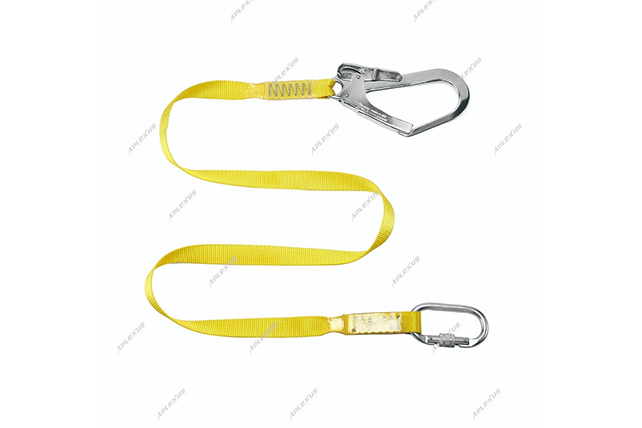
In some specialized applications, nylon straps are combined with hook-and-loop fastening systems similar to a velcro watch strap. These designs allow for repeated opening and closing without damaging the material, making them ideal for reusable packaging solutions or adjustable cargo systems.
This hybrid approach improves efficiency in industries where packaging needs to be frequently adjusted or reused.
When selecting nylon straps for packaging and transport, consider the following factors:
Weight and type of cargo
Required tensile strength
Environmental conditions (humidity, UV exposure)
Frequency of reuse
Compatibility with packaging systems
For heavy cargo, nylon banding may provide better structural support. For flexible and reusable applications, nylon webbing straps are usually more suitable. In most general logistics scenarios, nylon webbing remains the standard choice due to its versatility.
Nylon straps are an essential component in modern packaging and transport systems. Whether using nylon webbing for general logistics, nylon banding for heavy bundling, or reinforced nylon webbing straps for reusable systems, each type serves a specific purpose.
Understanding the differences allows businesses to improve packaging efficiency, reduce damage rates, and optimize transportation costs.

Aplexus Industrial Co.,Ltd Is a trusted provider of semi-finished accessories and personal protective equipment (PPE).

Business wechat
Copyright © 2026 Aplexus Industrial Co.,Ltd All rights reserved.


